
The Hidden Truth About Cling Film: Is Your Food Wrapped in Plastic?
The Hidden Truth About Cling Film: Is Your Food Wrapped in Plastic?
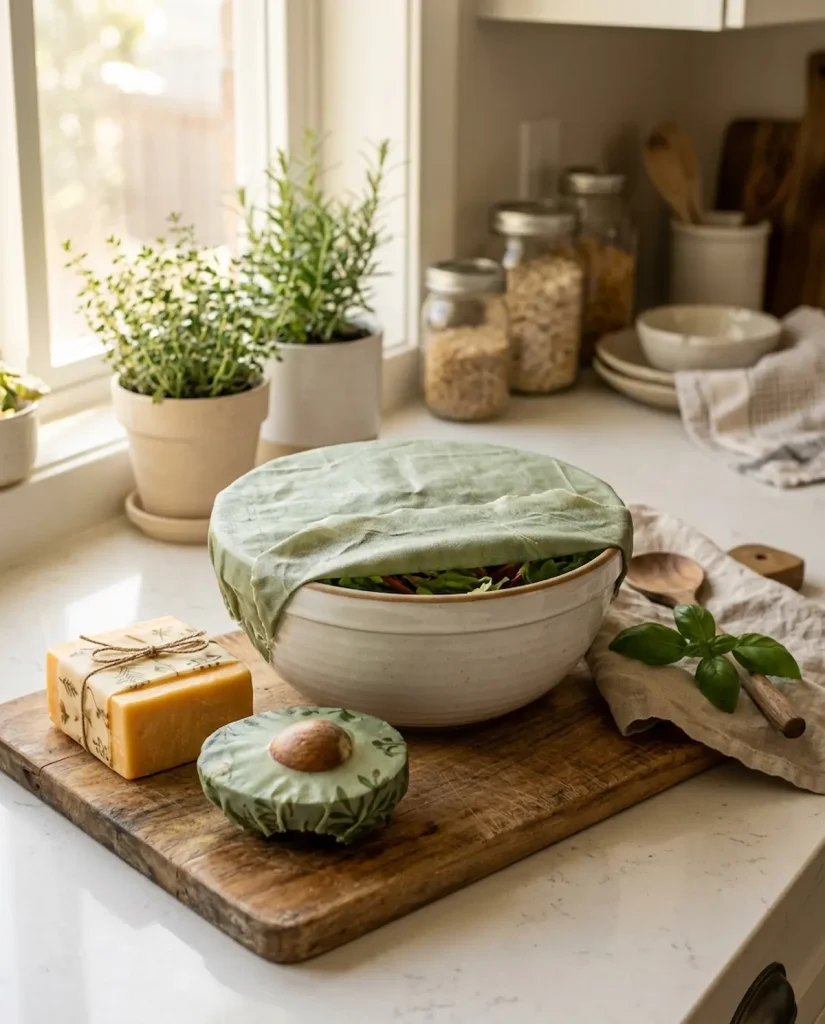
Take a look inside your kitchen drawer. Chances are, you’ll find a roll of plastic cling film.
It’s one of those everyday essentials we rarely think about. We use it to cover a half-eaten avocado, wrap up a block of cheddar cheese, or save last night’s leftovers. It’s cheap, convenient, and transparent.
But have you ever stopped to wonder what happens when that plastic touches your food—especially when heat or fats are involved?
The truth is, while cling film seems harmless, it has a hidden cost for both your family’s health and the planet.
The Microplastic Reality in Your Kitchen
Plastic wrap is typically made from PVC (polyvinyl chloride) or LDPE (low-density polyethylene). While it is designed to be stable, it doesn’t stay that way forever.
Recent scientific studies have raised alarms about microplastics—tiny plastic fragments smaller than 5 millimeters—shedding from everyday food packaging.
When plastic wrap comes into contact with heat (like a warm bowl of soup) or fats and acids (like cheese, meats, or tomatoes), the plastic begins to break down at a microscopic level. Those tiny particles can leach directly into your food.
Even more concerning, researchers are now finding microplastics in human blood, lungs, and even placentas. While the long-term health impacts are still being studied, scientists are increasingly concerned about the endocrine-disrupting chemicals (like phthalates) that often accompany these plastics.
The 10-Minute Life vs. The 500-Year Legacy
Beyond the health implications, there is the environmental toll.
Think about the lifespan of a piece of cling film. It is used for perhaps 10 minutes to cover a sandwich. But that same piece of plastic will exist on Earth for hundreds of years.
Globally, we produce over 400 million tons of plastic waste every single year. A massive portion of this is single-use food packaging. Because plastic doesn’t biodegrade, it simply breaks down into smaller and smaller pieces (microplastics), which eventually wash into our rivers, oceans, and soil. Marine life often mistake these fragments for food, introducing plastics into the global food chain.
The Myth of “Recyclable” Wrap
Many of us feel a little better when we see a recycling symbol on the box. But here is the harsh reality: most plastic cling film is not actually recyclable.
Because it is so thin and flimsy, it gets tangled in the sorting machinery at recycling facilities. Even if you put it in your blue bin, it usually ends up in a landfill—or worse, blowing out of a garbage truck and into the environment.
The Simple Swap: Nature’s Answer
Living a low-waste lifestyle doesn’t mean you have to give up convenience. It means making smarter, safer choices.
Enter Beeswax Food Wraps.
Beeswax wraps are an all-natural, reusable alternative to cling film. They are made with just a few simple ingredients: organic cotton fabric, responsibly sourced beeswax, tree resin, and jojoba oil.
How do they work? The warmth of your hands softens the wrap, allowing you to mold it around a bowl, a block of cheese, or a sandwich. As it cools, it seals tight—just like plastic wrap.
Why they are better:
• Zero Microplastics: You are wrapping your food in cotton and wax, not synthetic polymers.
• Breathable: Unlike plastic, beeswax wraps let your food breathe. This means your avocados and leafy greens actually stay fresh longer.
• Reusable & Compostable: With proper care, a single beeswax wrap can last for up to a year. When it’s finally worn out, just cut it into strips and toss it in your compost bin.
You don’t have to be perfectly zero-waste overnight. But the next time you reach for the cling film, ask yourself: Is this worth the microplastics? By making one small swap, you are keeping plastic out of your body and out of the ocean.